
Blog ·
Can a locksmith replace just the lock cylinder, not the lock?
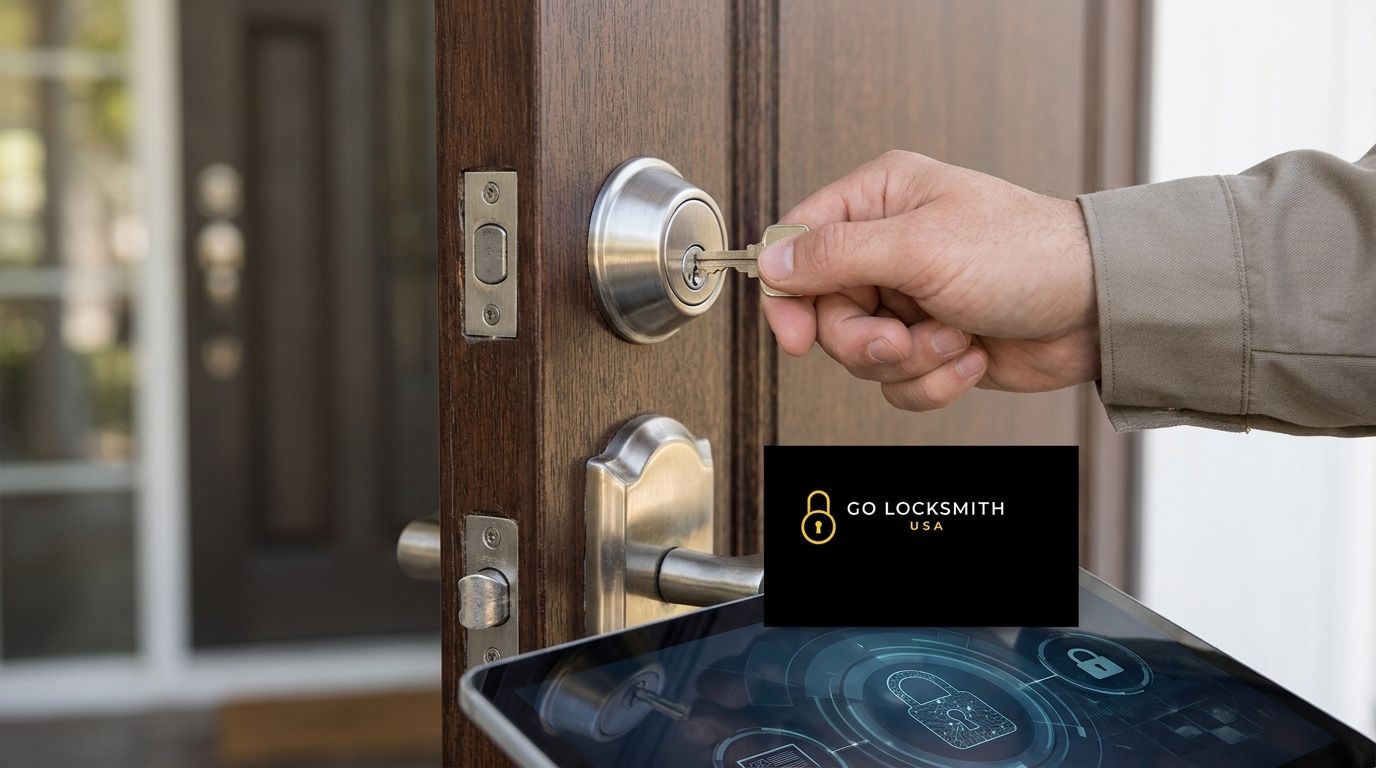
Yes, a locksmith can replace just the lock cylinder when the lock has a separately replaceable cylinder and the remaining hardware works properly. A cylinder change will not fix a damaged latch, failing lock body, or door-alignment problem, and rekeying an otherwise healthy cylinder may be all you need if your goal is to stop an old key from working.
TL;DR
- Can a locksmith replace just the lock cylinder? Yes, if the cylinder is replaceable and compatible hardware is available.
- Rekeying changes which key operates a serviceable cylinder; cylinder replacement changes the keyed component itself.
- GO Locksmith provides residential and commercial lock repair, replacement, and rekey services; the right scope depends on the hardware.
Can a locksmith replace just the lock cylinder, not the lock?
Yes—provided the cylinder is a serviceable, separate component and the rest of the lock is sound. The important distinction is whether you need to change key access, replace a failed component, or address damage beyond the cylinder.
For the broader hardware decision, see whether to repair or replace an exterior door lock.
| Option | Best for | What stays | Main limitation |
|---|---|---|---|
| Rekey the existing cylinder | Changing key access when the cylinder works properly | Existing cylinder and lock hardware | Does not repair worn or damaged hardware |
| Replace the cylinder | A failed cylinder in an otherwise serviceable lock | Compatible surrounding lock hardware | Requires the correct replacement cylinder and connection |
| Replace the lock assembly | Damage or failure extending beyond the cylinder | Only components confirmed suitable for reuse | Replaces more hardware and still requires checking the door |
These are different jobs, not interchangeable descriptions. When you request an estimate, explain the symptom and your goal rather than asking only for a lock change.
Why this matters: the keyhole is not the whole lock
The cylinder contains the mechanism that recognizes the mechanical key. In many locks, turning the cylinder transfers movement to another component that operates the latch or bolt.
That separation explains why a cylinder replacement sometimes solves the problem without replacing the handle, trim, or lock body. It also explains why a new cylinder cannot repair every lock that feels difficult to use.
For example, a bolt that binds against the strike when the door closes points toward a different issue than a key that will not turn inside the cylinder. Describe both symptoms if they occur together; do not assume they share a cause.
Choose the repair around the failed component, not around the part you can see from outside. A cylinder-only job makes sense only when it leaves you with a working, suitable lock.
Rekeying: best for changing who has access
Rekeying changes the cylinder's internal keying so a different key operates it. It retains the existing cylinder rather than replacing that component.
If your lock operates smoothly but you have moved in, lost track of spare keys, or need to remove someone's access, ask whether rekeying is appropriate. A lost key does not, by itself, mean the lock hardware needs replacing.
The limitation is mechanical condition. Rekeying does not restore a worn cylinder, repair a broken latch, or strengthen damaged door hardware.
Also distinguish changing access from adding another key. A duplicate of the current key does not stop existing copies from working; changing the keying is a separate task.
Recommendation: ask about rekeying first when the hardware works and your concern is an unwanted key. Tell the locksmith whether other doors need to remain on the same key before any work begins.
Cylinder replacement: best for a faulty, replaceable cylinder
Cylinder replacement removes the keyed component and substitutes a compatible one. On suitable hardware, the surrounding lock assembly stays in place.
This approach fits a problem confined to the cylinder, such as internal damage that makes that component unsuitable for continued use. Inspection still matters: a stiff key alone does not prove the cylinder has failed.
The replacement must fit more than the visible opening. Its dimensions, retention method, and connection to the locking mechanism must suit the existing hardware.
The limitation is compatibility. A cylinder that looks similar is not necessarily a working substitute, and some lock designs do not support a practical cylinder-only replacement.
Recommendation: replace the cylinder when its condition justifies replacement and the remaining lock passes inspection. Do not buy a replacement solely because its finish or keyhole resembles the old one.
Full lock replacement: best for damage beyond the cylinder
A complete lock replacement addresses more of the assembly than a cylinder swap. It becomes relevant when the lock body, latch, bolt mechanism, handle mechanism, or other essential hardware is damaged or unsuitable.
Visible damage after forced entry also deserves a wider assessment. Replacing the cylinder alone does not repair a split frame, loose strike, or compromised mounting point.
The limitation is scope: replacing an entire lock does not automatically solve a door that hangs incorrectly. The door and strike still need attention if they prevent the new hardware from operating properly.
Recommendation: choose full replacement when retaining the assembly would leave a known mechanical or security problem unresolved. Ask which components have failed and which ones the proposed work will replace.
The decision separates into three paths: rekey a healthy cylinder, replace a faulty cylinder, or replace an unsuitable lock assembly. Each path addresses a different problem.
Why the answer varies from one lock to another
A locksmith needs to identify the actual hardware before confirming a cylinder-only replacement. These factors determine whether retaining the rest of the lock makes sense:
- Lock design: Some assemblies accept a separately replaceable cylinder; others require a different repair or replacement approach.
- Cylinder compatibility: The replacement needs the right shape, dimensions, retention method, and operating connection—not just a matching appearance.
- Condition of surrounding parts: A damaged latch, bolt, handle mechanism, or lock body can make cylinder-only work insufficient.
- Door and strike alignment: Binding at the frame can remain after the cylinder is changed.
- Keying requirements: Keeping an existing key, matching other doors, or maintaining an authorized key system adds compatibility questions.
- Door and hardware requirements: Commercial exit hardware and labeled door assemblies require attention to the applicable hardware instructions and restrictions.
These are reasons for inspection, not reasons to replace everything by default. Ask for an explanation that connects the proposed work to the problem you reported.
What should you tell the locksmith before the visit?
Start with what happens when you use the lock. A description such as the key inserts but will not turn is more useful than saying the whole lock is broken.
You can prepare the following information without taking the lock apart:
- Identify the door. Explain whether it is a home entry door, interior door, or commercial entrance, and whether you can currently access it.
- Describe the symptom. State whether the key sticks, the cylinder feels loose, the handle fails, or the bolt catches when the door closes.
- Explain the access goal. Say whether you need old keys disabled, want to retain a current key, or need multiple doors to use one key.
- Note visible identification. Share the manufacturer or model if it is readable, along with clear photographs if requested.
- Mention damage and authority. Explain any attempted entry or broken key, and confirm who can authorize work on the property.
Do not force a resisting key or dismantle unfamiliar hardware to obtain more information. Keep any working key available, and ask what identification or authorization is needed for your situation.
Can you keep the same key after replacing the cylinder?
Sometimes, but only when the replacement cylinder and keying system support it. A locksmith must confirm that the current key is compatible and that configuring the replacement to that key is appropriate.
Be clear about why you want to retain the key. If an unwanted person has a copy, preserving the same key access defeats the purpose of changing access—even if the cylinder itself is new.
For a property with several keyed doors, discuss the whole arrangement before changing one cylinder. A replacement that works independently does not automatically match the other doors.
Restricted key systems introduce additional authorization and component questions. Do not assume a standard replacement cylinder can preserve every existing key or access arrangement.
Will a new cylinder fix a lock that sticks?
Only if the sticking comes from a cylinder problem that replacement resolves. Key wear, internal cylinder damage, a failing mechanism, and door misalignment can produce symptoms that feel similar to the user.
If you have already noticed that the lock works differently with the door open and closed, tell the locksmith. That observation helps distinguish cylinder operation from binding where the bolt meets the frame, but it is not a complete diagnosis.
Do not keep pushing or twisting harder to test it. A key that is becoming difficult to use is a reason to arrange an assessment before it breaks or leaves you unable to secure the door.
Is cylinder replacement the same on commercial doors?
The principle is the same: replace only the cylinder when the hardware supports it and the remaining assembly is suitable. Commercial hardware introduces additional considerations, including exit operation, the lock's connection to other mechanical components, and existing key arrangements.
A push-bar problem should not automatically be treated as a cylinder problem. The keyed cylinder and the exit mechanism perform different functions, so changing one component must not leave the other malfunctioning.
GO Locksmith provides mobile residential and commercial locksmith services for customers needing lock repair, replacement, or rekeying. For a business door, explain whether the issue involves the key, interior operation, push bar, or door closer when discussing the job.
You can review the confirmed locksmith services before calling. Describe the hardware rather than assuming that every commercial access problem falls within the same service.
What should a cylinder-replacement estimate explain?
A useful estimate identifies the proposed work: rekeying, cylinder replacement, or full lock replacement. It should also explain whether the existing key arrangement will change and whether any separate door or hardware problem needs attention.
Ask these questions before authorizing the job:
- What indicates that the cylinder, rather than another component, needs replacement?
- Which existing parts will remain?
- Will the new cylinder use a different key?
- Can the requested key arrangement be maintained?
- What happens if inspection reveals damage beyond the cylinder?
For GO Locksmith, call (239) 412-1101 for a job-specific estimate and to check current availability. Share the lock symptoms and your location so the discussion starts with the actual work you need.
FAQ
Can a locksmith replace just the lock cylinder without changing the handle?
Yes, when the lock design allows a separate cylinder replacement and the handle and remaining mechanism are serviceable. Compatibility must be confirmed for the specific hardware.
Is replacing a lock cylinder the same as rekeying?
No. Cylinder replacement changes the keyed component, while rekeying changes the internal keying of an existing serviceable cylinder.
Do I need a new cylinder if I lose my house key?
Not necessarily; a serviceable lock may only need rekeying to stop the lost key from working. Replacing or duplicating a key alone does not disable existing copies.
Can I keep all my doors on the same key after a cylinder change?
Yes, if the replacement cylinder and the other locks support compatible keying. Ask the locksmith to confirm that requirement before selecting replacement hardware.
Will replacing the cylinder fix a deadbolt that catches on the frame?
A cylinder replacement does not correct a bolt catching because of door or strike misalignment. The binding point needs assessment separately from the cylinder.
Does a new cylinder make an old lock more secure?
A new cylinder does not automatically improve the security of the entire lock or door. The remaining hardware, installation, frame, and key control still matter.
Can GO Locksmith assess a lock for repair or replacement at my property?
GO Locksmith is a mobile service offering residential and commercial lock repair, replacement, and rekeying. Call (239) 412-1101 to discuss the hardware, your location, and current availability.
One last thing: decide what must stop working
Before requesting a cylinder change, decide whether your main goal is to fix faulty hardware or prevent an existing key from opening the door. A replacement cylinder configured to the old key does not remove access from someone who still has that key.
Tell the locksmith both goals if you have both problems. That keeps the proposed repair focused on mechanical condition and control of access, rather than treating a new part as the whole solution.